
Troposcatter
The former NATO base was part of a backbone that crossed Europe from Norway to Turkey: 49 stations in total, about 300 kilometers away from each other, connected to the United States network through Greenland, which communicated with each other exploiting the troposphere, hence the name Troposcatter.
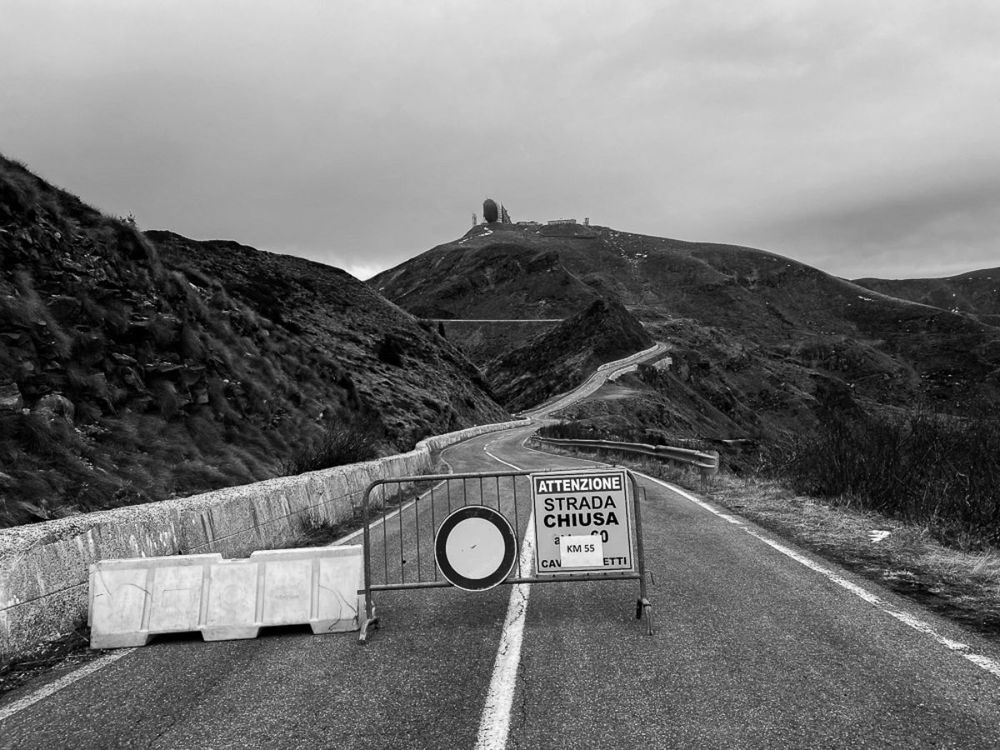
Perched atop the remote Dosso dei Galli, hidden among the Lombardy mountains, the Troposcatter station stood as a silent sentinel of the Cold War.
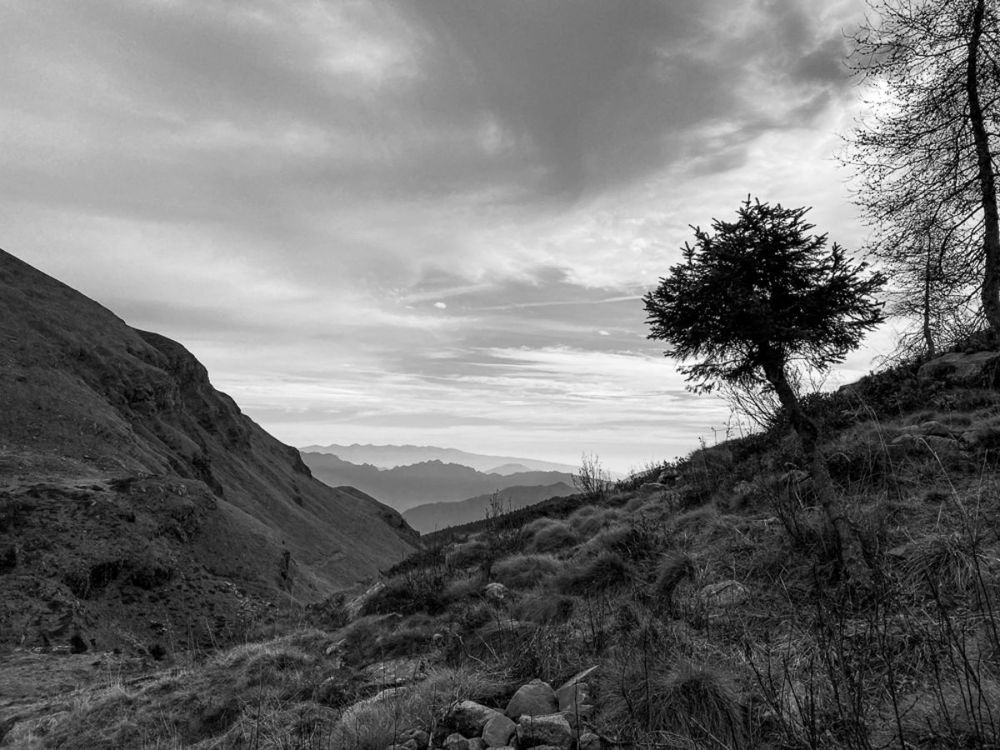
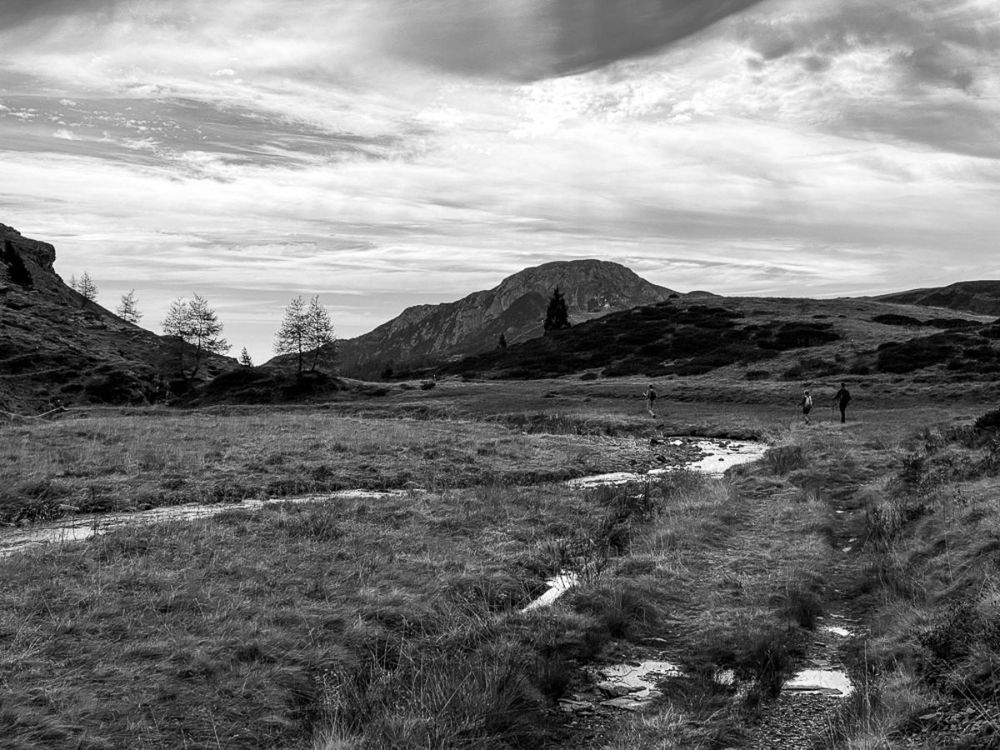
From the 1960s through the 1990s, this outpost formed a critical link in the ACE High (Allied Command Europe) system—an ultra-secretive communication line that enabled encrypted voice and data traffic across NATO territories.
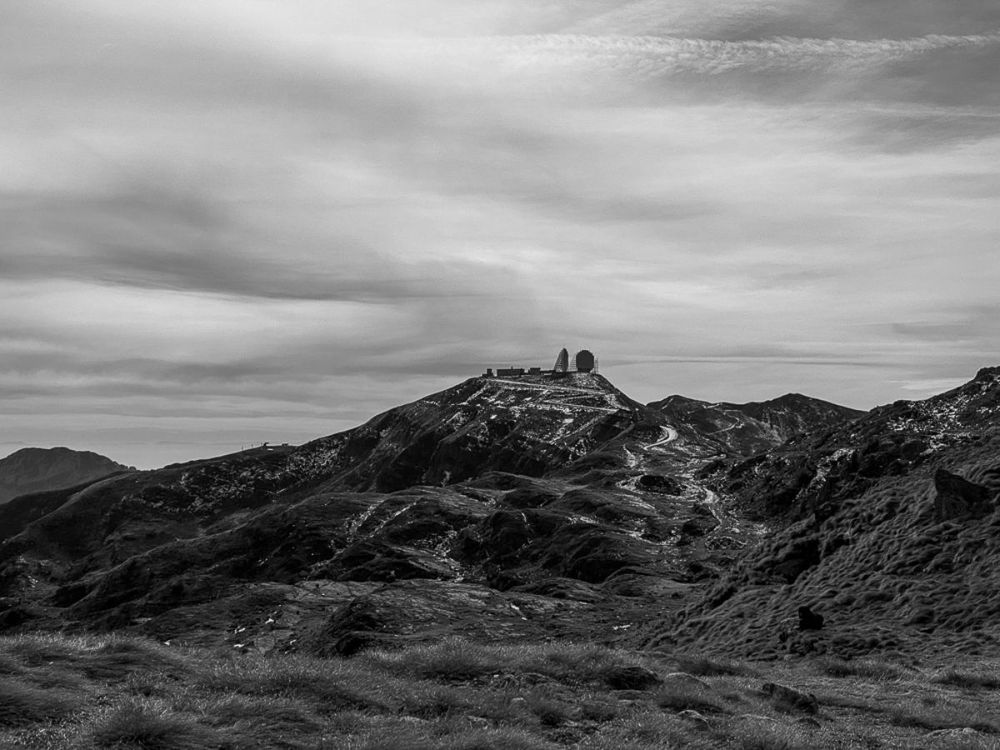
Rugged, weather-beaten, and shrouded in alpine fog, it was a place where geopolitics met engineering in one of the most secretive surveillance infrastructures of the 20th century.
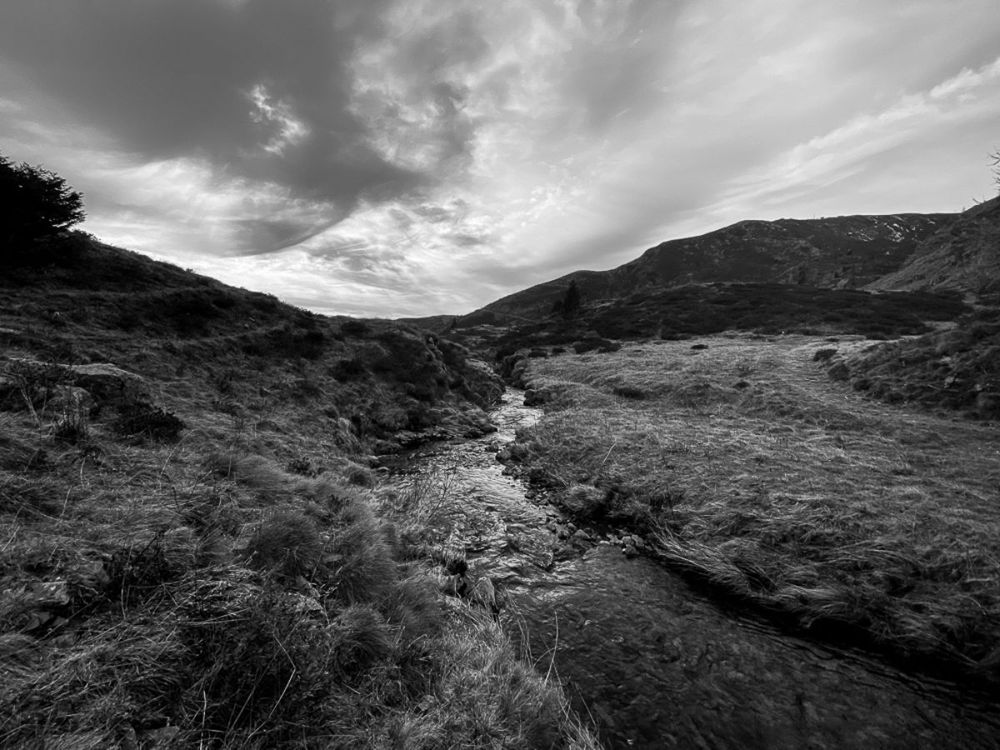
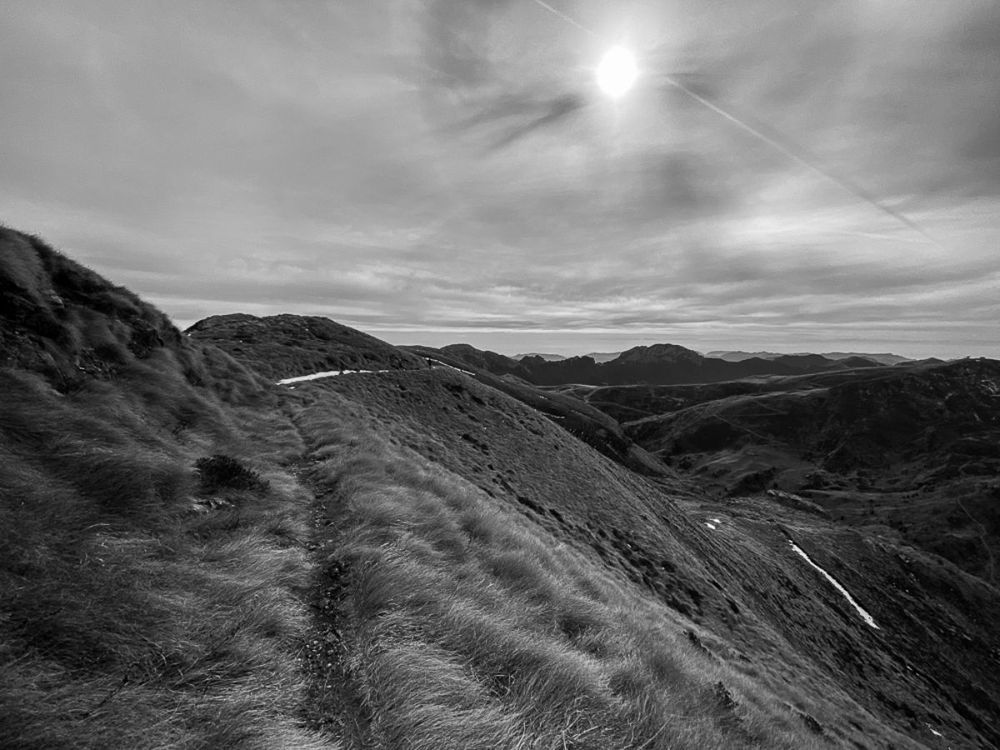
The station communicated not via satellites, but by bouncing microwave signals off the upper layers of the troposphere—beyond the line of sight, across borders and ideologies. These were the years of dead drops and radio static, of whispered codes and shadowy alliances.
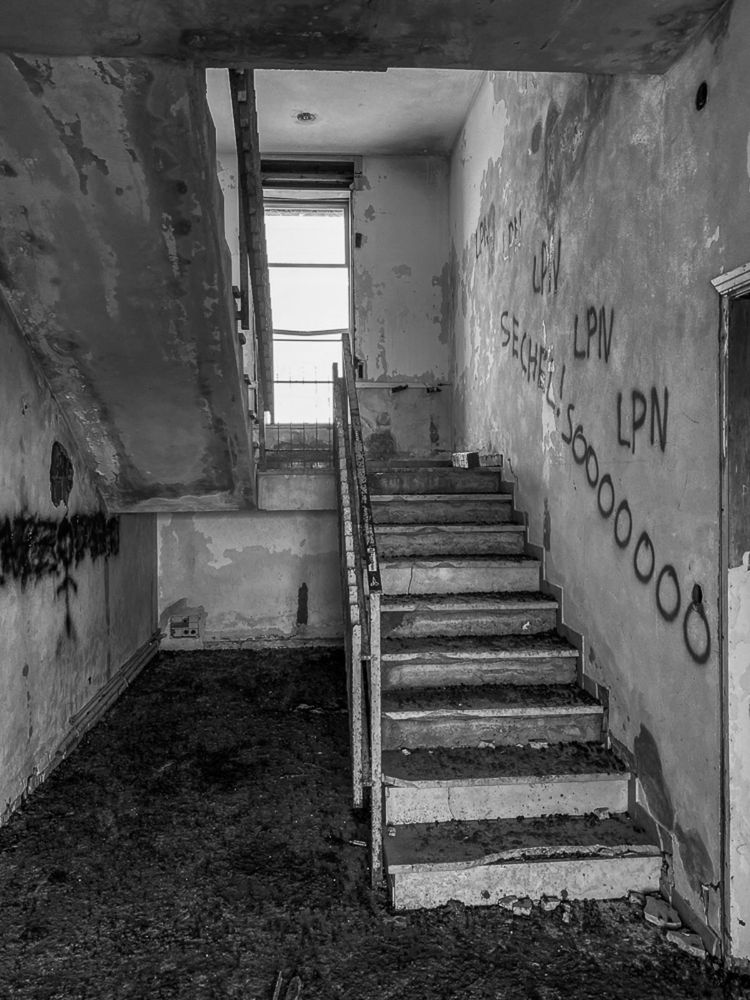
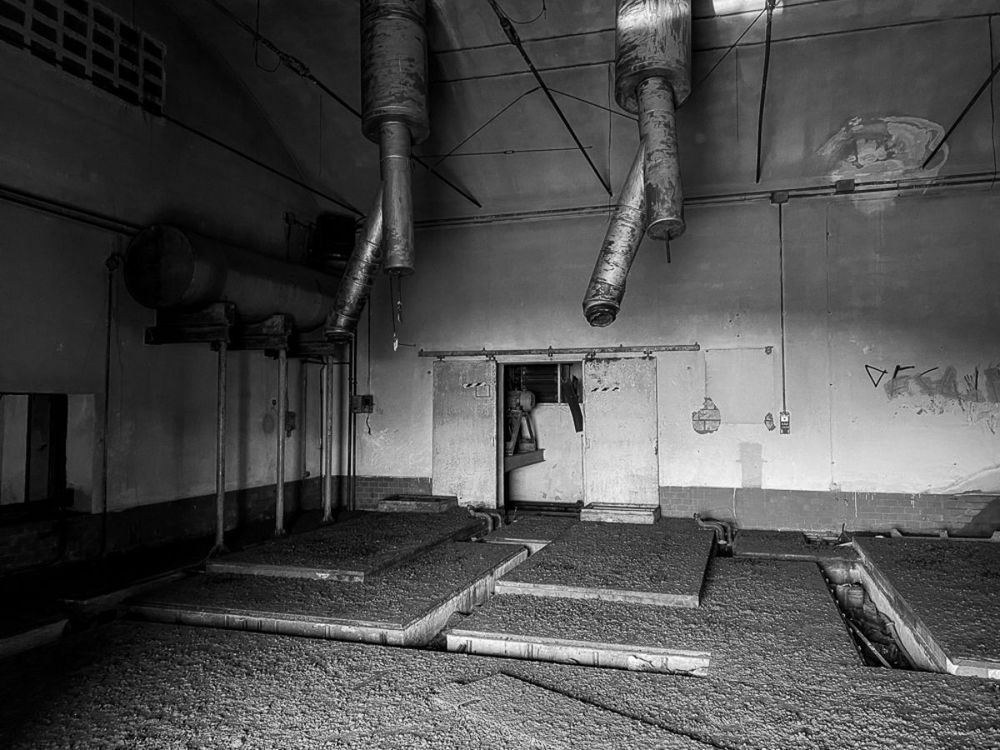
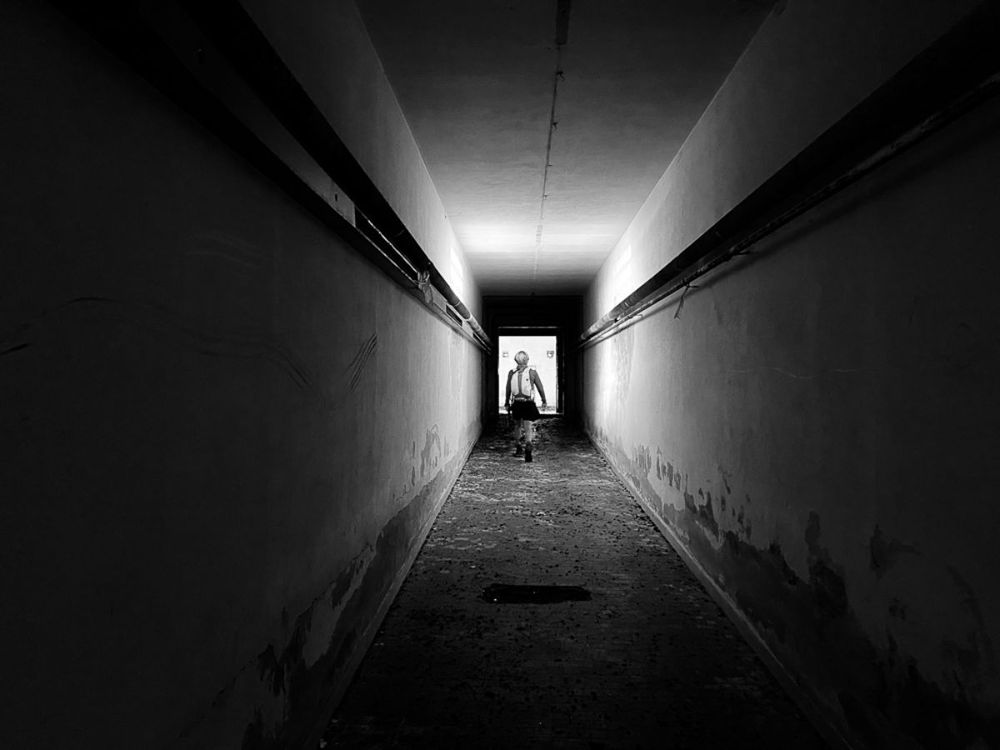
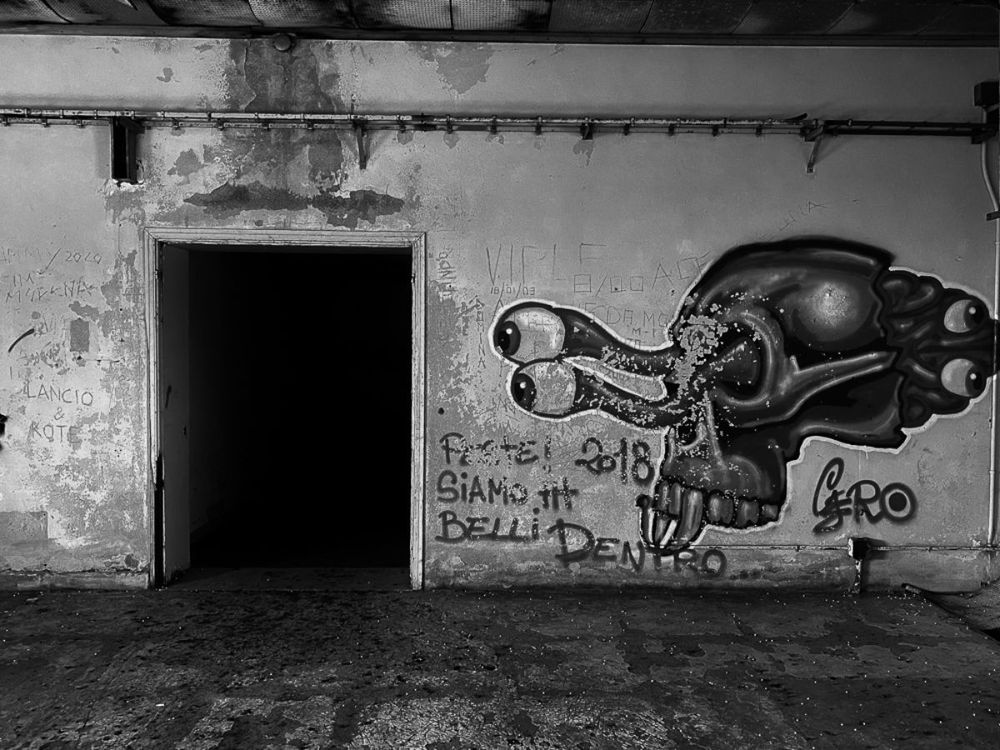
Photographs from this portfolio capture the stark, cold beauty of the now-abandoned installation: rusting radar dishes angled forever at the sky, decaying communication bunkers, and the faint traces of human presence in a place where silence once carried strategic weight. The imagery evokes a sense of isolation and purpose—an echo of the paranoia and resolve that defined an era.
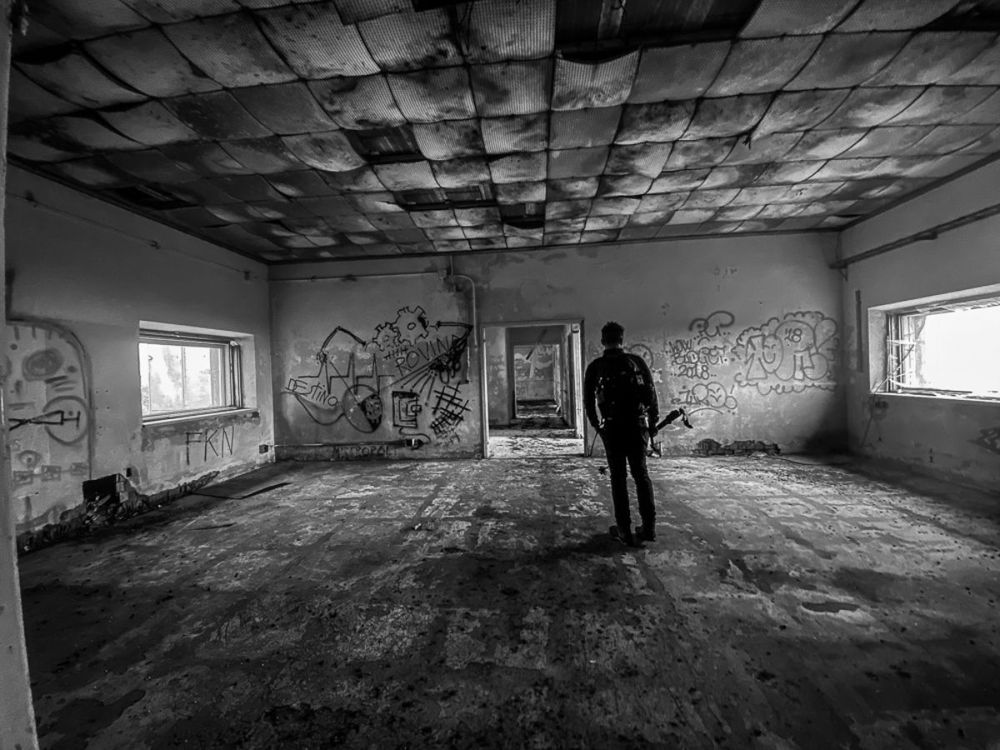
The Cold War never heated these peaks with gunfire, but every whisper across the troposphere mattered. These ruins, now claimed by nature and time, once pulsed with unseen messages—part of a silent war fought with waves, wires, and will.
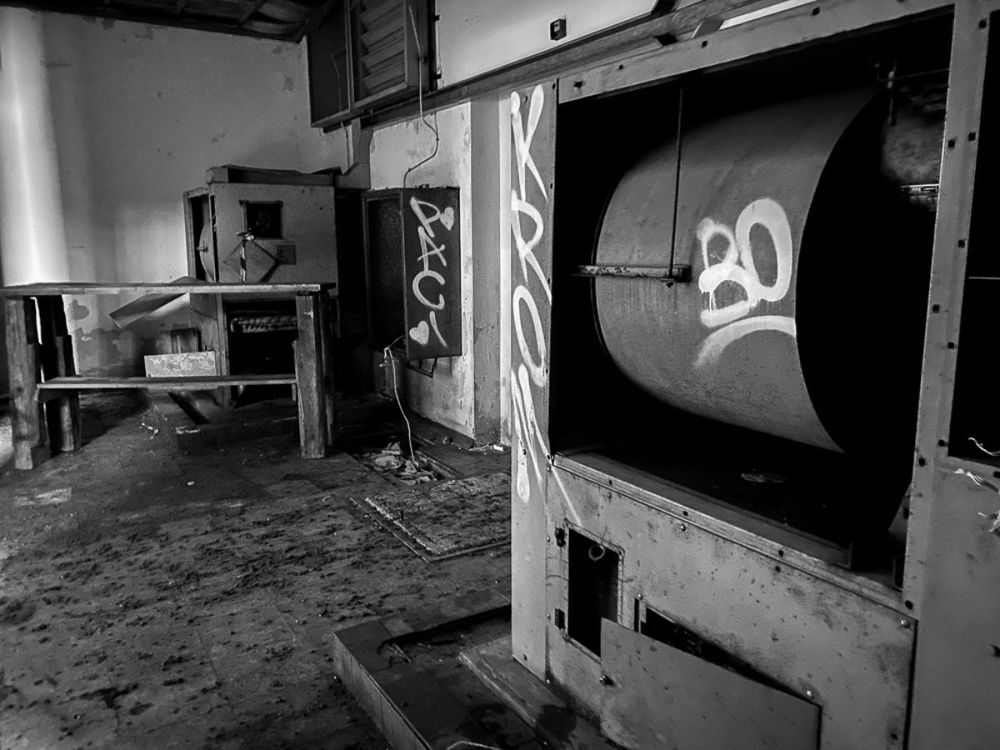
Though remote and rarely visited even during its operational years, the Dosso dei Galli station was manned year-round by a tight-knit group of engineers, radio operators, and military personnel. Supplies were flown in or brought up by rugged trails, and the isolation bred a peculiar kind of discipline—part duty, part quiet defiance. Inside its concrete walls, time seemed suspended between maintenance logs, cryptographic routines, and coffee shared over schematics. Each transmission was a reminder that even in stillness, this place was connected to a global tension stretching from Moscow to Washington. The Cold War's frontlines were not always trenches; sometimes, they were steel towers and radio waves on frozen mountaintops.
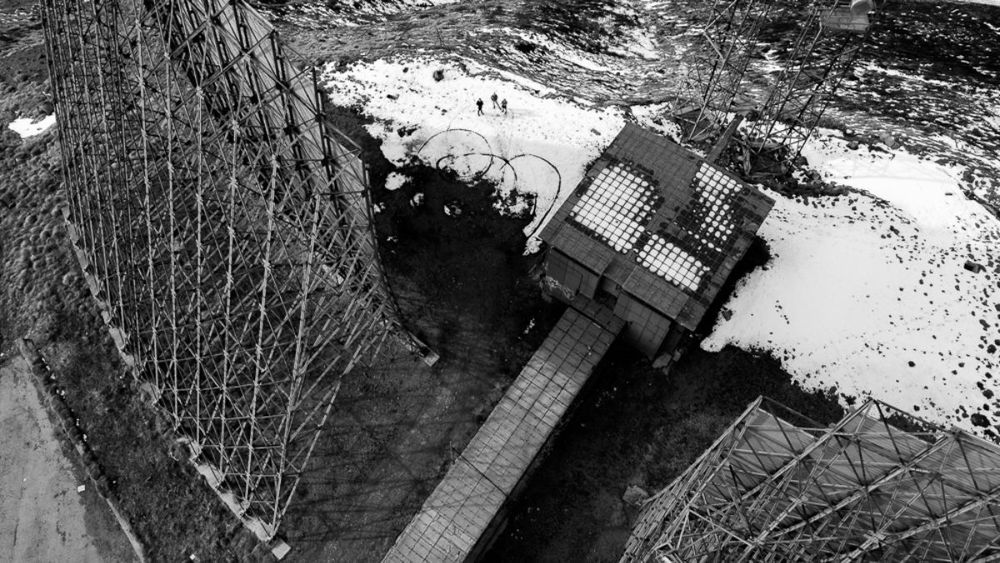
Today, the station is a decaying monument to an invisible conflict—a place where echoes of strategy, secrecy, and silent endurance still linger in the wind. To walk among its ruins is to feel the weight of history humming beneath your feet. This portfolio is not just a visual record of abandonment, but a tribute to the silent guardians of the ether, and to the architecture of vigilance that once held the line, not with weapons, but with signal and silence.